The Story Behind
the Sound.
A career built in the studio, on the road, and in service of the story.
The Craft of Melody.
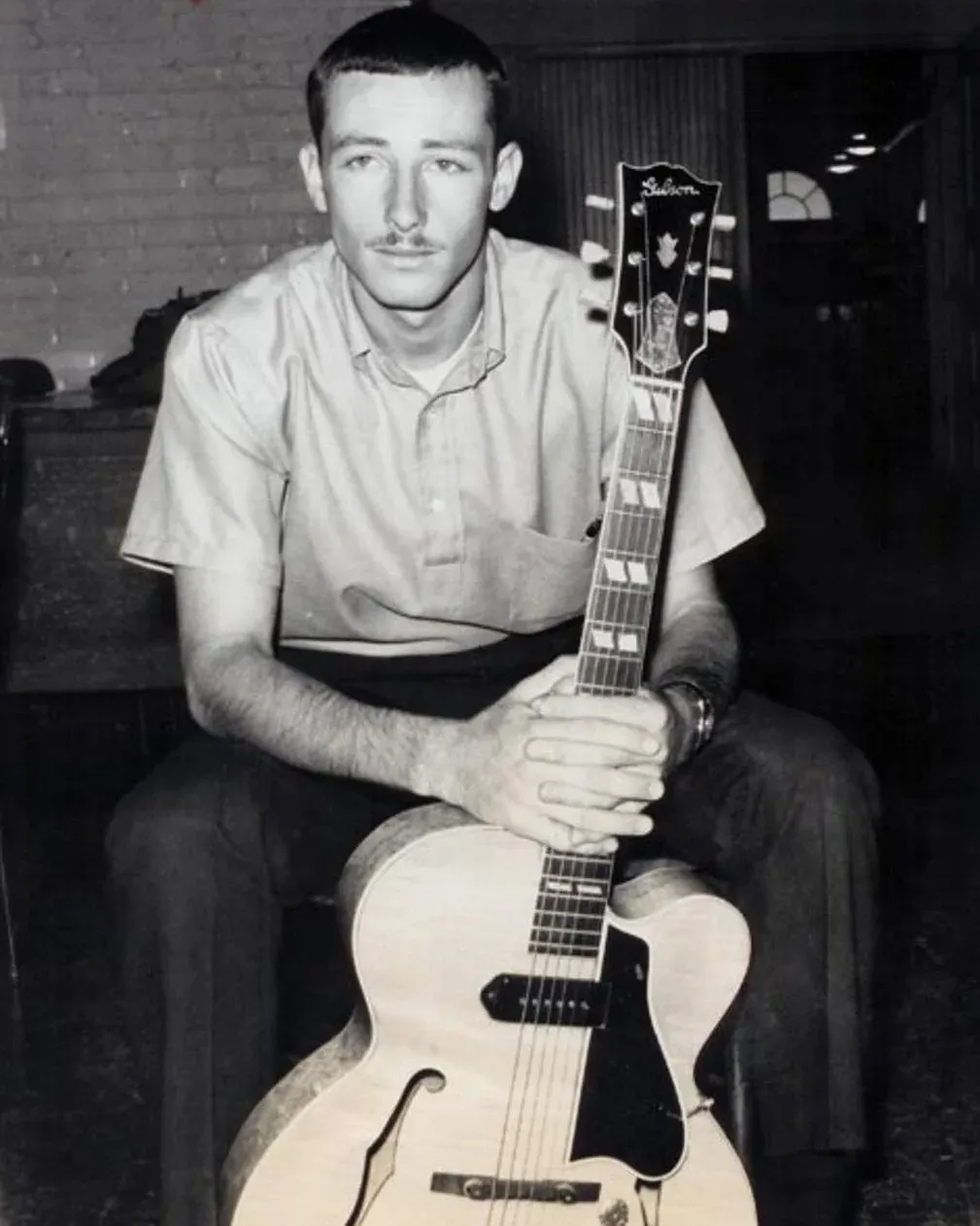
Don Peake grew up in Los Angeles and began with a serious interest in jazz, guitar, and melody. His early studies gave him a strong base for the range of work that followed.
He studied with Barney Kessel, whose technical discipline and musical approach shaped Don’s work on the instrument.
He later studied with Joe Pass, refining a style built on careful listening, strong time, and knowing what a song needs.
“Ray was a jazz guitarist who played with the Billy May Orchestra. He taught me to play and mentored me.”
— Don Peake, on Ray Pohlman
In the Studio.
The 1960s marked a major chapter as Don joined Ray Charles’ touring band. Serving eventually as Musical Director, Don traveled the world, absorbing the soul, blues, and gospel influences that powered the performances.
Performing nightly on the road, he learned the art of arrangement and the vital importance of 'the pocket'—where rhythm and emotion meet.
“That boy is serious.”
— Leroy Cooper
Returning to Los Angeles, Don became a first-call session guitarist and contributed to Phil Spector’s 'Wall of Sound' sessions, learning how layered instrumental parts could become one track.
That experience carried into Motown’s West Coast operations, where he played on records including the Jackson 5’s 'I Want You Back' and 'ABC.' The work required close listening, quick decisions, and a clear sense of what the producer needed.
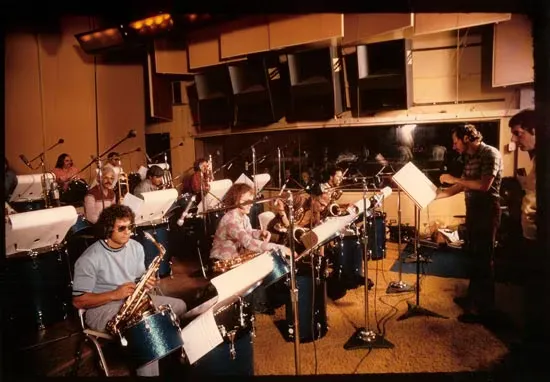
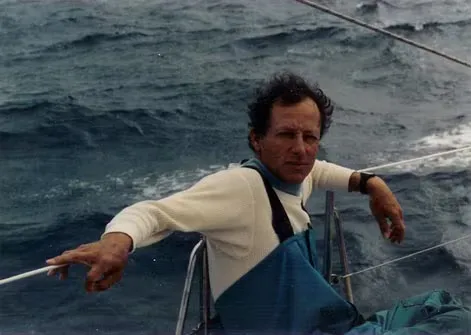
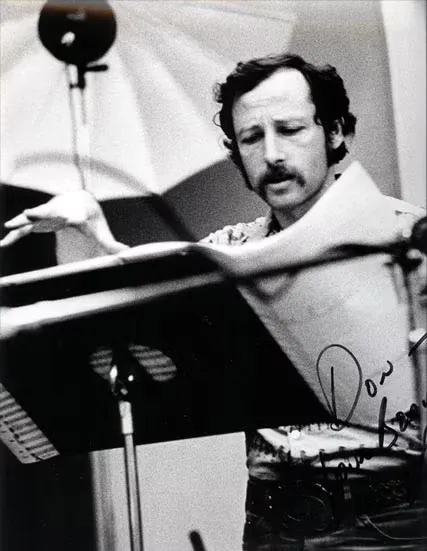
By the late 1970s, Don felt a pull toward the structural complexity of composition and orchestration.
He chose to step back from daily session work to immerse himself in classical theory.
It was a shift from contributing to a track as a session player to composing and arranging the entire score.
Music for the
Screen.
Commissioned by Wes Craven to score the original *The Hills Have Eyes*, Don brought his studio experience into film composition. Silence, texture, and melody all became part of the way he supported a scene.
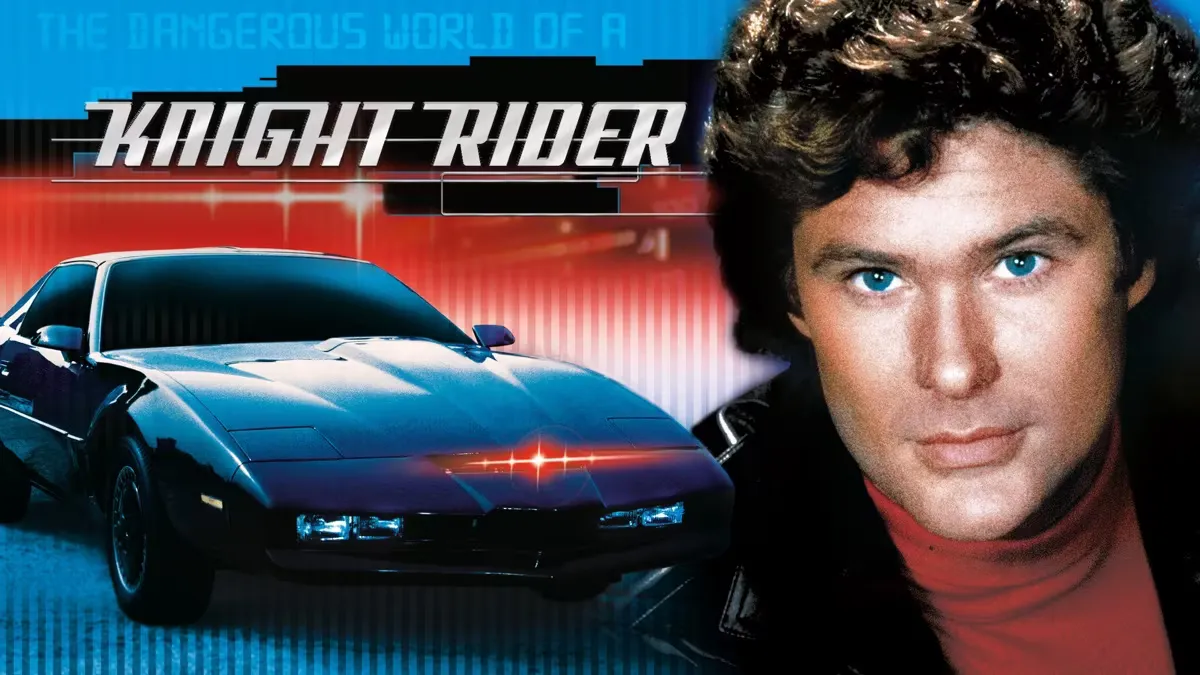
He later scored 77 episodes of *Knight Rider*, combining analog synthesis with orchestral elements to create a clear musical identity for the series.
"A score supports the story. Silence, texture, and melody each have their place."
The Journey.
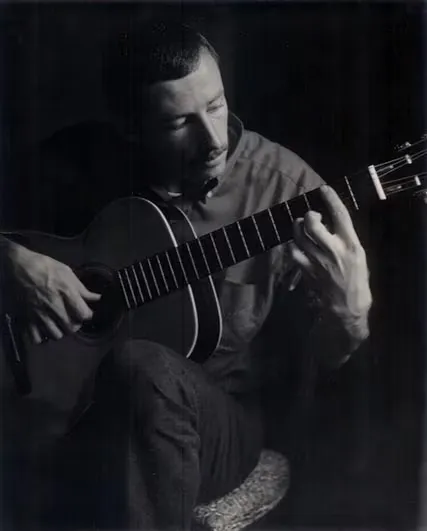
Classical Guitar Studies
At age 21, Don Peake studied classical guitar with the Romero Family, building the technical foundation for his work as a guitarist, arranger, and composer.
On the Road with the Everly Brothers
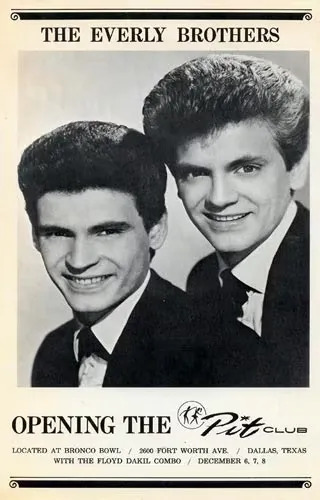
Tours as lead guitarist with the Everly Brothers in the UK and US before becoming the first white guitarist in the Ray Charles Orchestra, eventually serving as Musical Director.
The Wrecking Crew Sessions
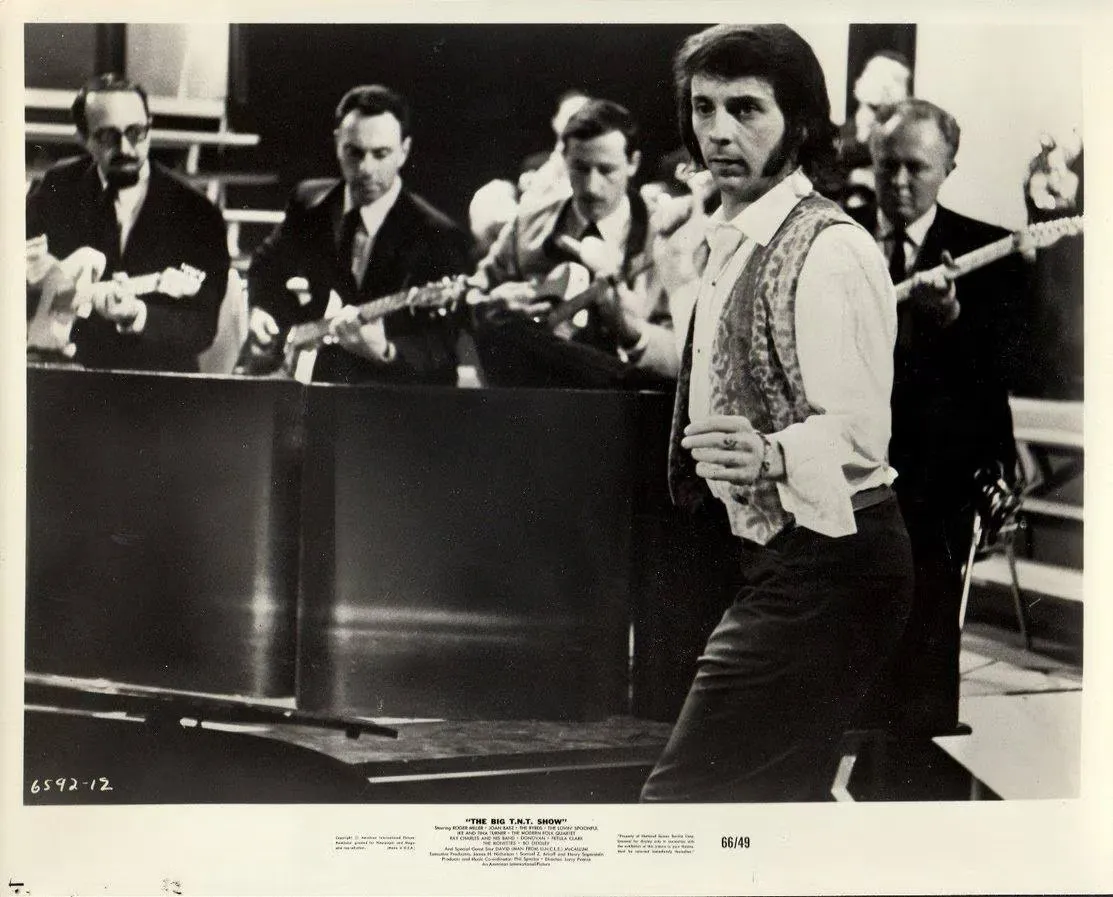
Works with producer Phil Spector on 'The Big T.N.T. Show', alongside Barney Kessel, Bill Pitman, and Herb Ellis as part of the Wrecking Crew.
The Motown Era
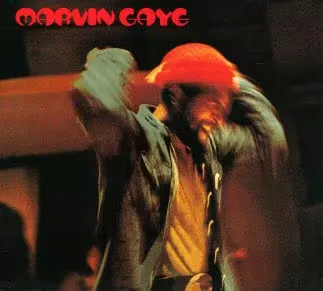
Moves to Motown as a staff guitarist, recording the definitive tracks for Jackson 5 hits like 'ABC' and 'I Want You Back', and playing lead on Marvin Gaye's 'Let's Get It On'.
First-Call Session Work
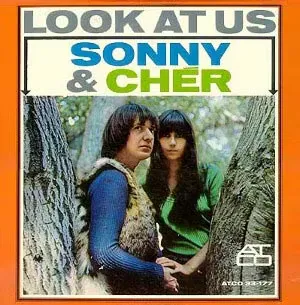
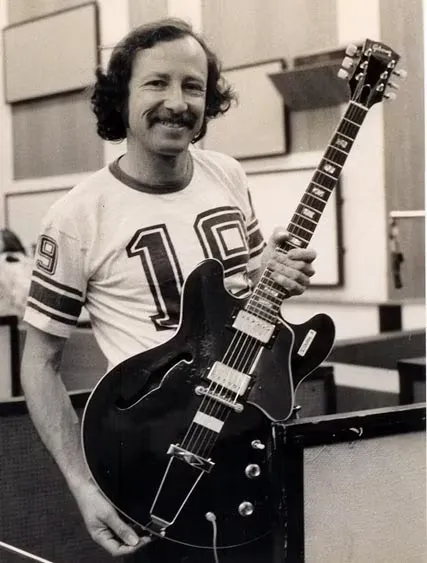
Establishes himself as a first-call Los Angeles session guitarist, recording with Barry White, Sonny & Cher, the Mamas and the Papas, and many others.
The Hills Have Eyes
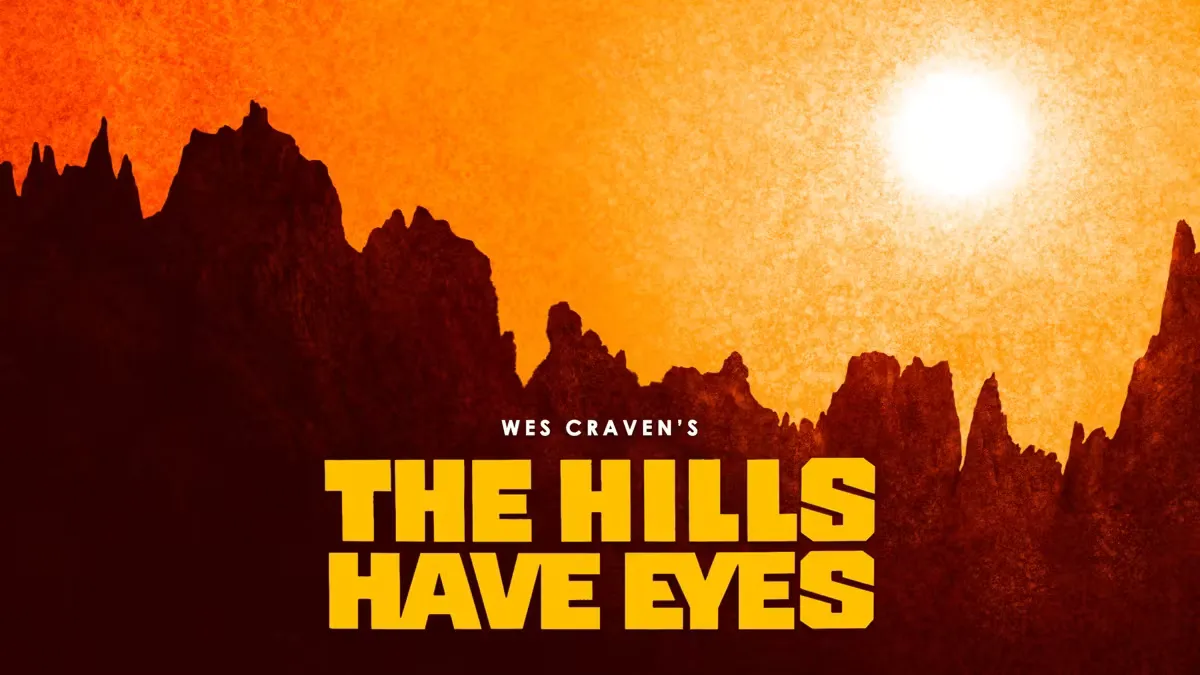
Composes the score for Wes Craven's 'The Hills Have Eyes', beginning an important chapter in his film-composition work.
Knight Rider
Scores 77 episodes of 'Knight Rider', combining orchestral writing with electronic textures to support the series' action and pacing.
The People Under the Stairs
Reunites with Wes Craven for 'The People Under the Stairs', which opened at number one in the United States.
Recognition
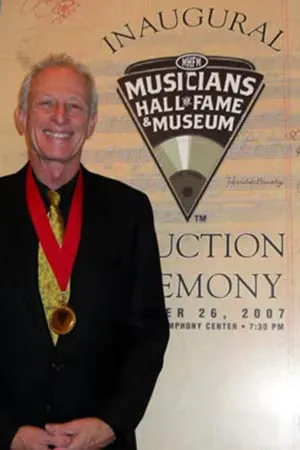
Inducted into the Musicians Hall of Fame in Nashville as a member of the Wrecking Crew.
Studying classical guitar with The Romero Family, 1961
On tour with the Everly Brothers, Dallas 1961
The Big T.N.T. Show session with Phil Spector
In the studio with Marvin Gaye
At RCA Studios, 1972
Breakthrough score: Wes Craven's The Hills Have Eyes
Scoring the legacy of Knight Rider (1982-1986)
The People Under the Stairs, America's #1 movie
Musicians Hall of Fame Induction
Acknowledged by The Industry.
A few of the honors and memberships connected to Don’s work as a session guitarist, arranger, and composer.
Musicians Hall of Fame
Inducted as a member of the Wrecking Crew for his work on recorded music.
Academy Award–Winning Productions
Composed music for the Academy Award–winning short films 'Violet' and 'In the Region of Ice.'
Academy of Motion Picture Arts & Sciences
Member of the Music Branch.
Television Academy
Member of the organization representing television professionals.
Rock & Roll Hall of Fame
Don’s Crown guitar entered the Permanent Collection of Iconic Guitars in Cleveland in 2005.
Society of Composers & Lyricists
Served on the organization’s Board of Directors.
Grammy Awards
Judged the Arranging category for three years.
Bridges Academy
Teaches guitar, jazz, blues, and music theory as part of the school’s music program.